A development site is a bet on what you can legally build, not on what stands there today. In Miami the dirt is finite and the zoning code decides the upside. I read the entitlement path before you read the asking price.
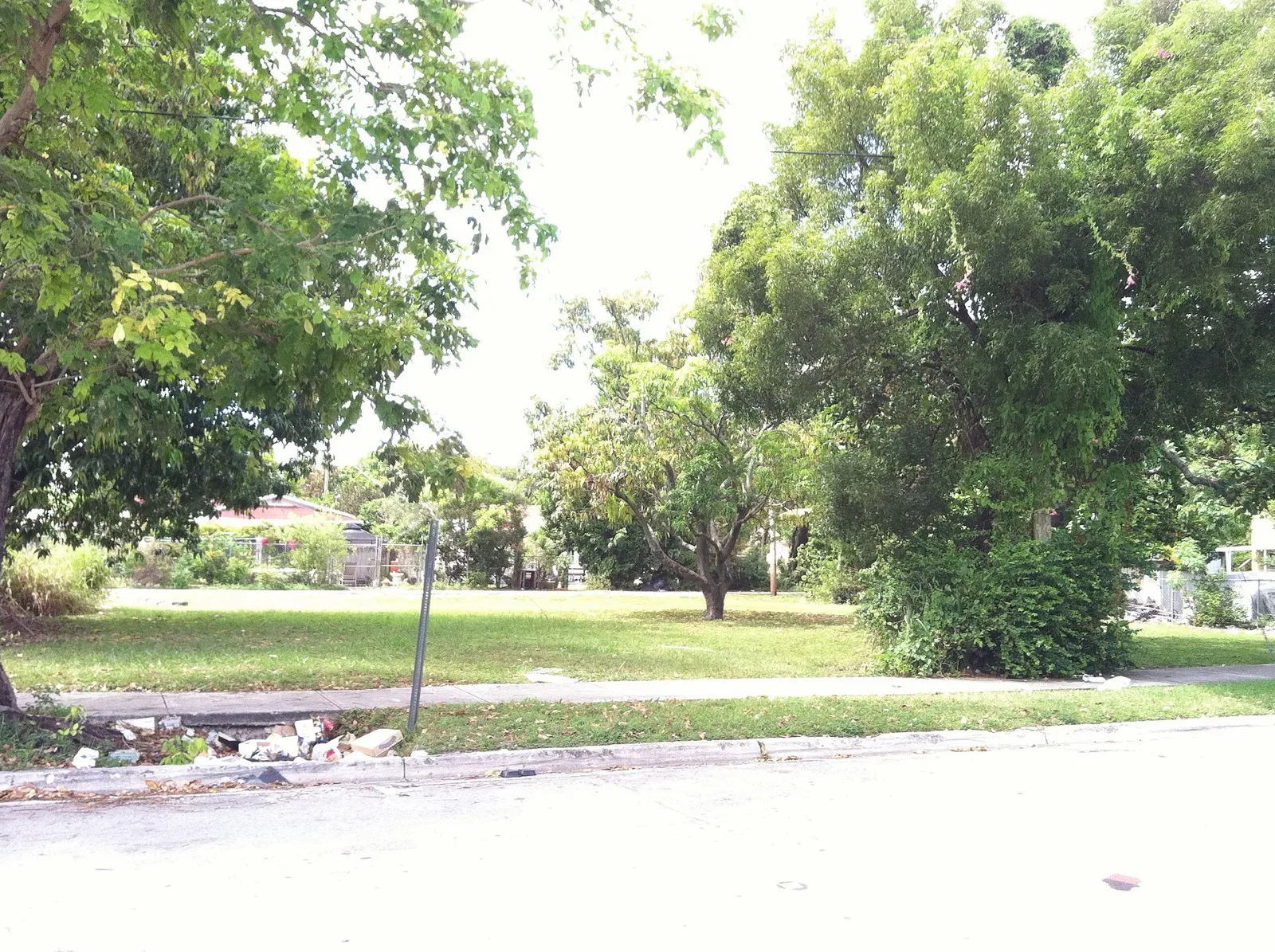
Commercial land is the one asset where you are not buying income — you are buying the right to create it. The value lives in the zoning, the entitlements and the highest-and-best-use, and almost nothing else.
Miami is land-constrained by water on one side and the Everglades on the other — there is no frontier to expand into, only the parcels that already exist. That scarcity is why a vacant lot in Midtown, Allapattah or Little River can trade at a price that makes no sense on its current use and perfect sense on what Miami 21 lets a developer build there. Land is bought on potential, and potential is defined almost entirely by the zoning transect and the entitlement path. The buyer who wins is the one who underwrites the as-of-right density and the realistic upzoning — not the one who pays for a pro-forma tower that the code will never approve.
Two adjacent Miami lots can be worth wildly different prices depending on their zoning designation and what the market will absorb. The variables that move the number are the Miami 21 transect and permitted density, the entitlement path and its timeline, the highest-and-best-use, the site's physical and environmental condition, access and infrastructure, and — a point most buyers miss — the tax treatment, because raw land does not depreciate.
The form-based code assigns each parcel a transect (T3 to T6) that fixes height, density and use. The transect is the value.
Warrants, exceptions, rezonings and platting take time and money. The path to a permit is part of the price you pay.
What the market will absorb — multifamily, mixed-use, industrial — at what cost and what rent. The use defines the residual land value.
Soils, flood zone, contamination history, assemblage and shape. The dirt has to actually support what the code allows.
Frontage, utilities, transit and impact-fee capacity. A buildable parcel without infrastructure is a delayed parcel.
Land cannot be depreciated — no cost-seg, no bonus depreciation. Returns come from entitlement and appreciation, not tax shelter.
When you buy an income building, a chunk of your return comes from depreciation — cost-segregation and bonus depreciation shelter the cash flow. Raw land gets none of that: you cannot depreciate dirt, so there is no cost-seg study and no bonus depreciation to model. That changes the math entirely. The return on a Miami development site has to come from two places only — the entitlement value you create by moving the parcel up the zoning ladder, and the appreciation of irreplaceable urban land over the hold. Underwrite it as the development play it is, not as a building. The full advisory thesis and how I work are on the commercial advisory page, with market notes on the insights page.
Miami 21 is a form-based code that assigns each parcel a transect (T3 to T6) setting height, density and permitted use. The transect, more than the location, defines what you can build and therefore the land's value.
It depends on the path — an as-of-right project moves fastest, while warrants, exceptions, rezonings and platting can add months to a couple of years. The entitlement timeline is part of the land's price.
The IRS only allows depreciation on improvements that wear out — buildings, equipment — not on land, which is considered to have an indefinite life. So there is no cost-segregation or bonus depreciation on raw land.
Yes. There is no residency or citizenship requirement. Foreign buyers typically hold development land through a U.S. LLC for liability and tax planning, and should plan for FIRPTA on a future sale.
Send me the parcel, the asking price and what you think you can build. I'll tell you what the zoning actually allows, where the entitlement risk sits, and whether the residual land value supports the price — independent, buyer-side, no obligation.
Email carlos@balartre.com
Direct +1.786.603.3075
Office 1390 Brickell Ave, Suite 104 · Miami, FL 33131
Miami development land sits within a broader commercial real estate mandate. See the full thesis, criteria and how I work.
Commercial Advisory →